
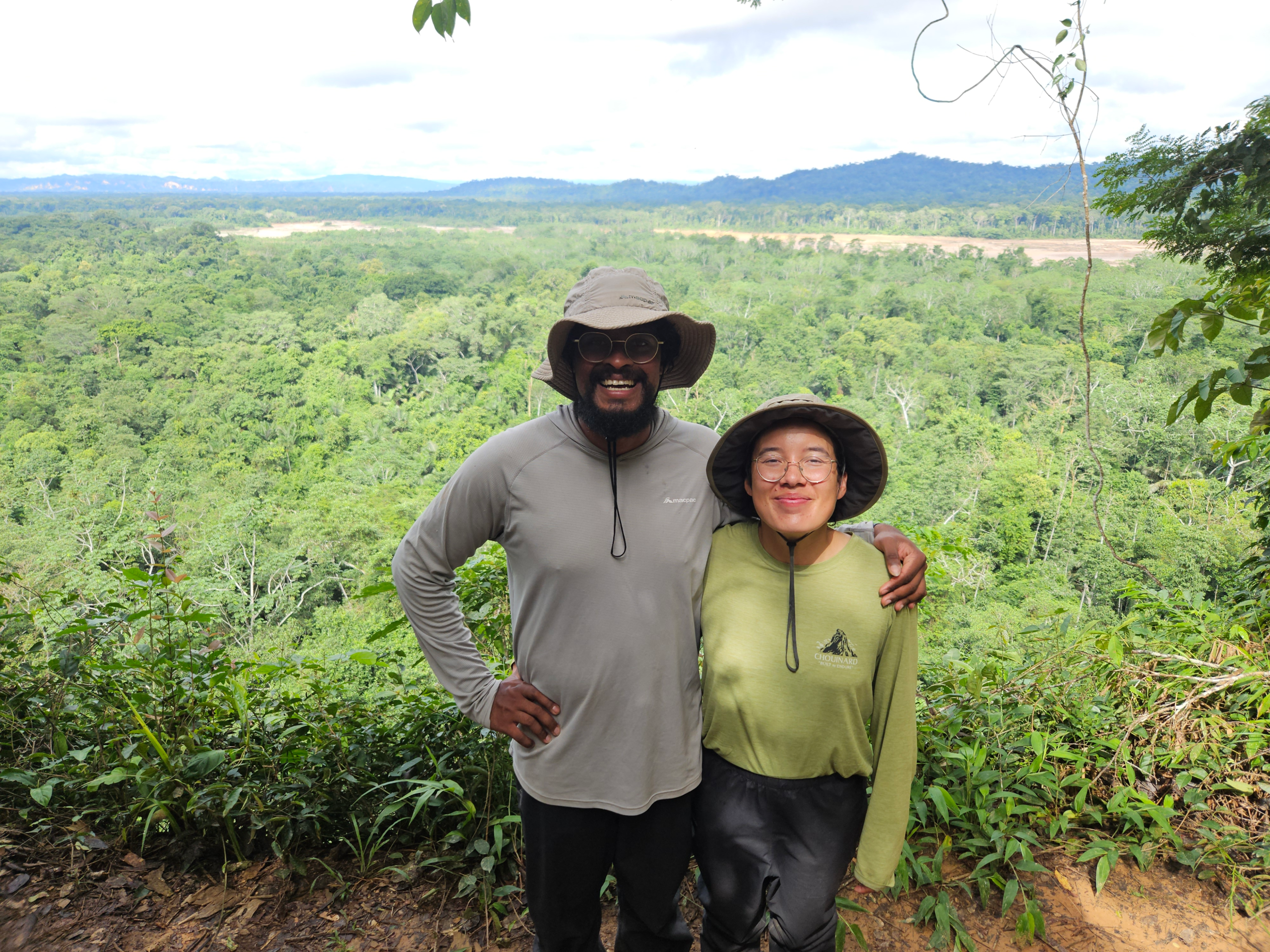
One of the biggest attractions of South America is the Amazon Rainforest. No matter if you’re an animal-lover, an amateur birder, a tree-hugger, or none of the above, the Amazon is a place of such wonderous natural beauty that it will certainly leave you in some kind of awe – as long as you get to see the real thing. Covering an area twice the size of India (what a CRAZY statistic), the internal parts of the Amazon are primarily in Brazil and totally untouched, but the fringes of the Amazonian bowl sit at the base of the Andes in Peru (2nd greatest in area), Colombia (3rd in area), Bolivia and Ecuador, all of which have access points, along with the northern countries of French Guiana, Guyana, Suriname, and Venezuela (probably also with access points, but less travelled). Each port of entry can offer different experiences, pricepoints and slightly different likelihoods of seeing different wildlife.
With the dollar conversion for bolivianos being so strong, we decided to attempt the Amazon experience through Bolivia’s main jungle town, Rurrenabaque. Bolivia doesn’t have an amazing reputation for eco-tourism in the Amazon. Of course this can be an issue anywhere, but we’d read multiple blogs that commented on the general poor practice of Bolivian companies in the Amazon. We understand that over the years, practices have become more ethical, with more companies leaving nature as it is & appreciating whatever you can see; however, many companies still had one or two telltale reviews on Google – the guides bait animals by feeding them, or catch anacondas to get that good photo opportunity. It’s important to do your research to ensure the company you pick really is ethical.
Nevertheless, Rurrenabaque offers a unique animal-watching experience because you can see two different animal-dense areas. The first is the jungle (la selva), which is in ‘the Amazon’ as part of Madidi National Park. This is broken up into the secondary forest – closer to human habitation, smaller trees, more sparse undergrowth – and the primary forest – deeper jungle, huge trees, dense undergrowth, difficult navigation and far more spectacular flora and fauna. However it’s important to consider the realities – in the thickness of the forest, it is really difficult to see animals! This is where Rurre’s outdoor experiences offer something quite cool – the second animal-dense area is called the pampas, which is a large wetland area that also holds plenty of fauna, and it’s so much easier to spot them. This is particularly true in the dry season, as the tour route sits on the main river, and animals are much more likely to come to the river to drink and eat.
It’s common to take tours of 3 days in either, if you’re short on time or are only interested in one region. However, there are also plenty of tours of 5 days across both regions – which we decided on and thoroughly enjoyed.
Keeping it
short and sweet
Getting there
Catch a 12-15 hour bus from La Paz – according to many, ‘the worst bus in South America’, thanks to a combinations of road and bus condition. It wasn’t truly terrible, but many people decide to fly instead to avoid the hassle. There are ‘cheap’ flights from La Paz, but that’s cheap for South America, not truly cheap! Return the same way.
Where to stay
There are a few hostels in town – get one with a pool and good mosquito nets!
where to go
Getting animal spotting! Take a tour of the Selva or Pampas or both
Fees
Rurre has fairly standard prices for Bolivia, though the restaurants with a menu del dia are harder to find – it’s a little more tourist-oriented. Madidi National Park has an entrance fee of around 400bol pp. Our 5 day tour was 3000bol pp – but they go for as cheap as 1600 pp with other companies.
walkies?
With a guide, as part of your jungle or pampas tour, totally! Rurre itself doesn’t have a lot to offer though.
Recovery
Staying an extra day after your tour at a hostel with a pool is a great way to chill out (while elements of the tours can be pretty luxe, you still need to decompress)
Picking a Tour
three days in either the selva (jungle) or pampas (wetland/flooded grasslands), or some combination of both. We think the combined tours (3/2 split) give enough time to enjoy different activities and see animals. Of course, personalised tours are available too for a extra $$$
Picking an Agency
Check the Google reviews to ensure the agency is ethical, alongside whatever else is important to you! We went with Mashaquipe Travels and they were awesome (albeit on the pricier side; but we’d been well below budget until then & could afford it).
Animals we saw
in the jungle: howler, cappaccino, spider (from afar) monkeys; small black caiman; so many birds & insects including macaws. In the pampas: ; cappuccino monkey; small black caiman; snakes; capybara; river dolphin; rhea
Animals we missed
anaconda (it seems reasonably common to see these otherwise); jaguar (very, very rare)
tell me everything
Let’s start with getting there. You’ll read horror stories about people getting stuck en route to Rurrenabaque because the bus service is so unbelievably bad. The companies are uncaring of the condition of their buses; they’re pretty dirty, and both the buses we took sounded like the engine was about to cark it the whole way (which does seem to happen quite often). The bus apps say it should be a 10 hour journey, but 15 hours is more realistic – especially in the wet season when the roads will be in poor condition. Despite that, we still had comfy seats that fully reclined, and with ear plugs and an eye mask you can conquer any journey. The only problem with the delays is that the bus ended up dropping us in Rurre too late to start our tour the same day – so we had a day to spend exploring this little town.
The first two things about Rurre – there are tuktuks! So grab one from the bus station into the main town, because the second thing is that it’s hot. Maybe not hot like India, but incredibly hot for two people who’ve been in the mountains for a month, and certainly too hot to walk 30 minutes from the bus station to our accommodation – something we didn’t realise until we were half way there.
Once we found a hostel for the evening, we got a feed at a nice cafe and then spent the day hopping in and out of the pool to stay at a reasonable temperature. During the day it’s alright, but watch out for the little bitey bugs from the evening onwards. We took a pleasant walk down the river in the evening, then ate outside somewhere for dinner… without bugspray on hand. Big mistake.

The tour started by motorboat, heading upriver into the jungle. The jungle lining the river is stunning to look at, and we spotted a small alligator hanging out on one of the beaches. The current is strong so going upriver is slow. The day was broken up by a visit to a local home, where we crushed sugarcane and drank the juice, and learned a bit about the villages in the jungle. The Mashaquipe lodge is about 3 hours upriver, so we arrived by early afternoon. We did mention we paid a bit more than we were expecting – and it showed, in the quality of the buildings and upkeep of the facilities. We had a room to ourselves, the bed was comfortable and the mosquito net didn’t have any holes. We had termites munching away in the corner of our room, but that’s all just part of being in the Amazon! What’s more, we were lucky enough that some wildlife decided to wander through the lodge grounds. We could see red howler monkeys from our bed, and there were cappuccino monkeys mucking around in another tree in the middle of the courtyard. It was such an awesome start.
Pampas vs Selva
In the pampas, you may see far more animals, but you won’t truly be in the Amazon. The tours are predominantly by boat – the two or three days you’ll spend motoring around, admiring monkeys in the bushes around you, birds flying above you, river dolphins hanging out around the boat, and caimans watching you from the edges of the river. Depending on the season and where your company is located along the river, you may take a walk on an island where anaconda tend to live. We did walk in the genuine swamp to get to an island – which was incredibly cool, even though we didn’t see any anacondas! However other than that, the tours are pretty light on activity.
The selva gives you an opportunity to see the real Amazon. We saw a small family living in the national park, just alongside the river, which was quite humbling. From the lodge, we saw monkeys (so lucky they were living there at the time!) but it’s only in the primary forest, so while it was beautiful, it didn’t compare to the flora we saw in the secondary forest. It really feels so ancient, and it is a privilege to experience walking through such ancient places.
That afternoon, Jhomar took us on a walk to teach us more about jungle-life. We learned about using different plants for medicines, the dangers and signs of different animals (lots of ants stories), the spiritual significance of certain trees and shaministic rites and a lot about his own upbringing – which was, literally, in the jungle. We had so many moments of insight and even though the walk was only a couple of hours, came away with so much respect for the land and the people who care for it.
The next highlight was dinner – and the food in general across the Mashaquipe tour continued in this manner. We had a buffet dinner, with fried chicken, local stews, fresh veg, and carbs galore. The food was fantastic and plentiful and as you can imagine, we ate far more than our needed share. All of this in the middle of the jungle! It was the best we’d eaten in months.
Day 2 saw us walking from the secondary forest on the river’s edge into the primary forest. The trail was fairly well trodden, but we had rain all day, which meant there was very little animal life to be seen (a combination of ducking the head to avoid the rain, and the fact that nobody is stoked to be getting soaked – including the local residents). After a couple of hours, we made it to the campsite in the primary forest, where we were to be sleeping on a mattress on a raised platform with a mosquito net. It’s not really roughing it (especially when there’s a lad cooking you an awesome lunch, dinner & breakfast), but it was a very cool experience. Once we set up our beds, chowed down lunch we had a little rest (some did see toucans in this period – but we missed them)… then returned to find leaf cutter ants all over our bags. They ate so many holes in one of Awal’s dry compression sacks ($rip$), were all over Emma’s backpack, and were really keen on the plastic sole of both of our boots.
Once we’d encouraged them off our gear, and ‘hid’ it off the ground, we headed out a night walk. We started just before sundown, enjoying the light in the trees and the density of the forest, but when we stopped and turned around, it got properly dark. We saw a few massive spiders and a caiman in a stream alongside the trail, but while our lightning-fast guide caught a few glimpses of other animals in the trees, we were all a bit too doddery to see much else. But seeing the jungle at night, and hearing the eerie noises that all the animals and bugs make, leaves a distinct impression.
The sleep that night was super peaceful, although one of the others heard something rustling in the bushes, we slept right through. We awoke early to wander through the bush, to hear the dawn chorus (which includes howler monkeys announcing themselves, though in a different part of the forest), though we didn’t spot any animals. After breakfast, the walk of day 3 was to the third camp, back in the secondary forest, stopping at a site for nesting macaws en route. This day we also saw spider monkeys feeding and disrupting some other birds from a distance – sooo cool! We were able to see the macaws from the top of the cliff, and after lunch, from a viewpoint at the base of the cliff. If you have the option, doing both is worth it. The colours of the macaws from above are incredible, the views of the jungle are unreal, and you can see them flying in from afar. From below, you can watch them scrambling into their nests together, possibly a peek of their juveniles, and watch how affectionate they are. They’re wonderful social birds, and their noises are so hilarious.


We didn’t stay at the 3rd campsite/lodging place (though lunch there was excellent, once again), but our last activity for the day was to build a raft and drift along the riverbank to the first lodging site. It turned into a combination of swimming, singing, and only at the very end, paddling to the riverbank, and it was an activity that we really ended up loving. Macaws flew overhead multiple times, and thankfully there were no caiman this time!
After another huge breakfast to start Day 4, we started the motorboat journey back down the river (much faster than the journey upriver) to Rurre and then onwards via car to the pampas. In the 2-hour car ride to the pampas, we saw rhea and capybara, and tried in vain to spot a toucan. Once arriving at the port, it’s onto another motorised boat, which you will spend most of your animal-sighting time on. The Mashaquipe lodge is only 20 minutes by boat from the main pier, though many other companies seem to be a couple of hours in the opposite direction. Already on the way to the lodge we spotted several monkeys and plenty of birdlife. Again, the lodge itself was ridiculously nice, especially perched right on the riverside with a deck to relax over the river, and all the rooms were massive (and we had a private bathroom! Serious luxury). Again, we were lucky enough that there were howler monkeys just living in the trees around the lodge, so we didn’t have to go far to watch the wildlife.
Mosquitos
Now, I (Emma) fucking hate mosquitos. They make me anxious, jumpy and incapable of concentrating. They also seem to love me – I’ll always have far more bites than Awal! The mosquitos in the Amazon are feisty, but if you’re there in the right season they aren’t actually heinously bad – we didn’t get a ridiculous number of bites over the time. They are also not unmanageable in the jungle, though in the evenings in the pampas they are out in force. There are a few tricks to minimising the onslaught.
- Wear loose, flowing items, or waterproof clothes. They will happily bite through all sorts of material if your skin is in contact, so I ended up wearing my waterproof pants most of the time despite the heat, and spraying repellent on my clothes where they always touch (ankles and shoulders).
- Deet is the best chemical repellent, though seriously watch how much you put on. If you have a cream or gel, also get a spray that you can put on your clothes.
- Supposedly, mosquitoes are more attracted to dark clothes, so light colours are meant to help (idk tho).
When we checked, the Rurrenabaque area is not malaria prone – it’s best to check for updates, and still try to avoid getting bitten for other diseases, but it’s one less thing to worry about.
Day 5 began with a (bat in our room lol) sunrise boat ride – some gorgeous colours across the sky. Then back to the lodge for breakfast, and onwards for a real adventure. Jhomar knew an island that the previous season, had anacondas living on it. The only catch was that the island wasn’t accessible by boat… we were going to be slogging through swamp to get there. This was a bonkers experience. We all had poles to shoo away any caiman who happened to be in the water about us. The water was nearly up to Emma’s chest (okay, I’m short, but still!). The swamp plants were thick, so most of the time the going was slow as we stepped over concealed roots and thick vines. At one point, we heard a wee chirping sound, which our guide identified as a baby alligator calling for its mum… so we kept moving. Once on the island we walked quietly in hopes of the elusive snake. We didn’t see any anaconda, but Jhomar found an old jaguar den. He was seriously concerned there was actually a jaguar in there – we suppose if there had been, she would not have been happy to have people near her safe space. He also found cattle tracks – unfortunately, some livestock had obviously got loose and were using this little island for foraging, which he suspected had forced the anaconda to move onwards. It was a sorrowful moment, as for him this was another marker of how humans have continued to encroach on wild spaces in ways that they can’t see – but ways that seriously damage the homes of native animals.


We followed the cattle tracks back through the swamp to the ‘main’ island, which were far easier to follow, started a few lizards and frogs on the way back, but generally the mood was a bit more somber as we arrived back at the boat. We finished off with another tour around the laguna – a few dolphins to uplift the spirits, plus some capybara and vibrant birds. Then it was another (giant) lunch, and back to Rurrenabaque with a new appreciation for what nature this little pocket of the world holds.
Other notes & tips (on how to pick a tour)
Which tour operator?
We touched on ethics – though of course that’s something to check before any tour.
Mashaquipe only employs local guides from local tribes. The people of the land being able to showcase their own land is one of the best ways to really support ecotourism, because you know that they are the most likely to truly care. Our guide was so passionate about the jungle, he literally grew up in it, attends conferences about eco-tourism, and trains up other kids in his village to follow a similar path. We’d highly recommend their service.
The tours can be quite different too. We had time (and money) to spend five days across the pampas and selva. While the pampas are at a high standard, the selva experiences sound like they can be kind of… lame. Many of the cheaper operators will do a normal night in the selva, and a day & night doing a ‘survival’ experience, where you have to make your own shelter, find your own food… which didn’t sound super fun to us when there are so many animals to see. We’d also say it’s important to make sure some of the experience is in the primary forest, which really is the most impressive part of the jungle to visit. If you’re doing a combination of the selva and pampas (which we recommend).
Of course, it’s really important to read recent reviews. As we mentioned, not all companies are created equal, and many will handle or feed animals to get better tips. Please, do not fund this behaviour – it creates unhealthy reliance and relationships and disturbs the natural order. Observe from a distance, enjoy what you see (even if it’s only plants), and be appreciative of nature no matter what it gives you!
Other amazon options
We had an amazing time in Rurre, but you can see different animals in all sorts of different parts of the Amazon. There are blogs that make better comparisons, but the three locations that we were considering were:
Puerto Maldonado’s Tambopata in Peru is the best place to see giant otters (near the Bolivian border), and may be reached by road. It’s closest to Cusco.
Iquitos is Peru’s most popular destination for Amazon tours. Iquitos itself is quite big, but can only be reached by plane or 3 days on a boat. Just getting there can be an adventure!
Leticia is the Amazon port of Colombia – another day speed boat ride away from Iquitos, or a plane from Bogota. We had a friend who had a great tour here for a reasonable price, although the accommodation & food is far more basic (hammocks with mosquito nets).